


What characterises real estate as an asset class?
The return on a real estate investment typically consists of two parts: the ongoing rental income from the companies and people who use the property, and the change in the property's value over time. Rental income is the more stable component and typically accounts for the larger share of the return over a long period. The change in value depends on factors such as interest rates, demand for commercial space and housing, and the property's condition and location.
Returns can also be generated through development. This happens when an investor acquires a site, develops it and builds housing or commercial properties on it. The properties can either be retained as rental properties, where the return comes from rental income, or sold on completion – for example as owner-occupied homes – where the return is realised on sale. Development projects typically carry a higher risk than the purchase of completed, let properties, because the return depends on construction costs, construction time and demand once the project is completed.
Ongoing income and risk diversification
The real estate market does not necessarily move in step with the equity and bond markets. Real estate values often react differently and more slowly to changes in the economy than securities do. This is one of the reasons why real estate forms part of pension portfolios: it helps to spread risk and provides an ongoing income that is not directly dependent on fluctuations in the financial markets.
Rental income and inflation
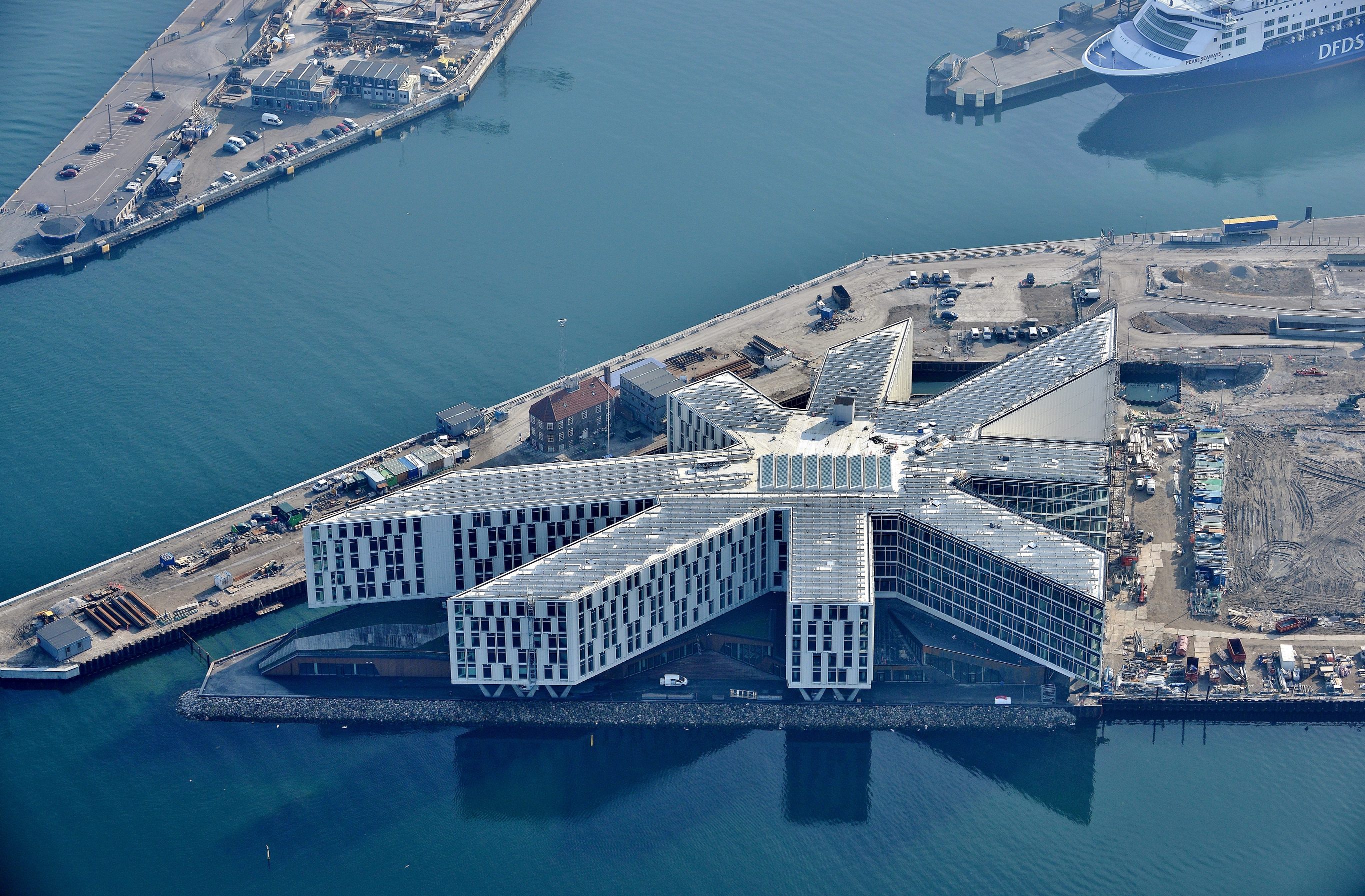
Leases for commercial properties and housing typically include indexation that follows general price developments. Income from the properties therefore generally keeps pace when prices rise. For pension savings that must preserve their purchasing power over many decades, this is an important characteristic.
Risks of real estate investment
Real estate also carries risks that differ from those of other asset classes. Values can fall, for example when interest rates rise or when demand for a particular type of space changes. Premises can stand vacant. And real estate is less liquid than securities – it can take months or years to sell a property at the right price. As with all investments, returns can fluctuate, and past returns are no guarantee of future performance.
How PensionDanmark invests in real estate
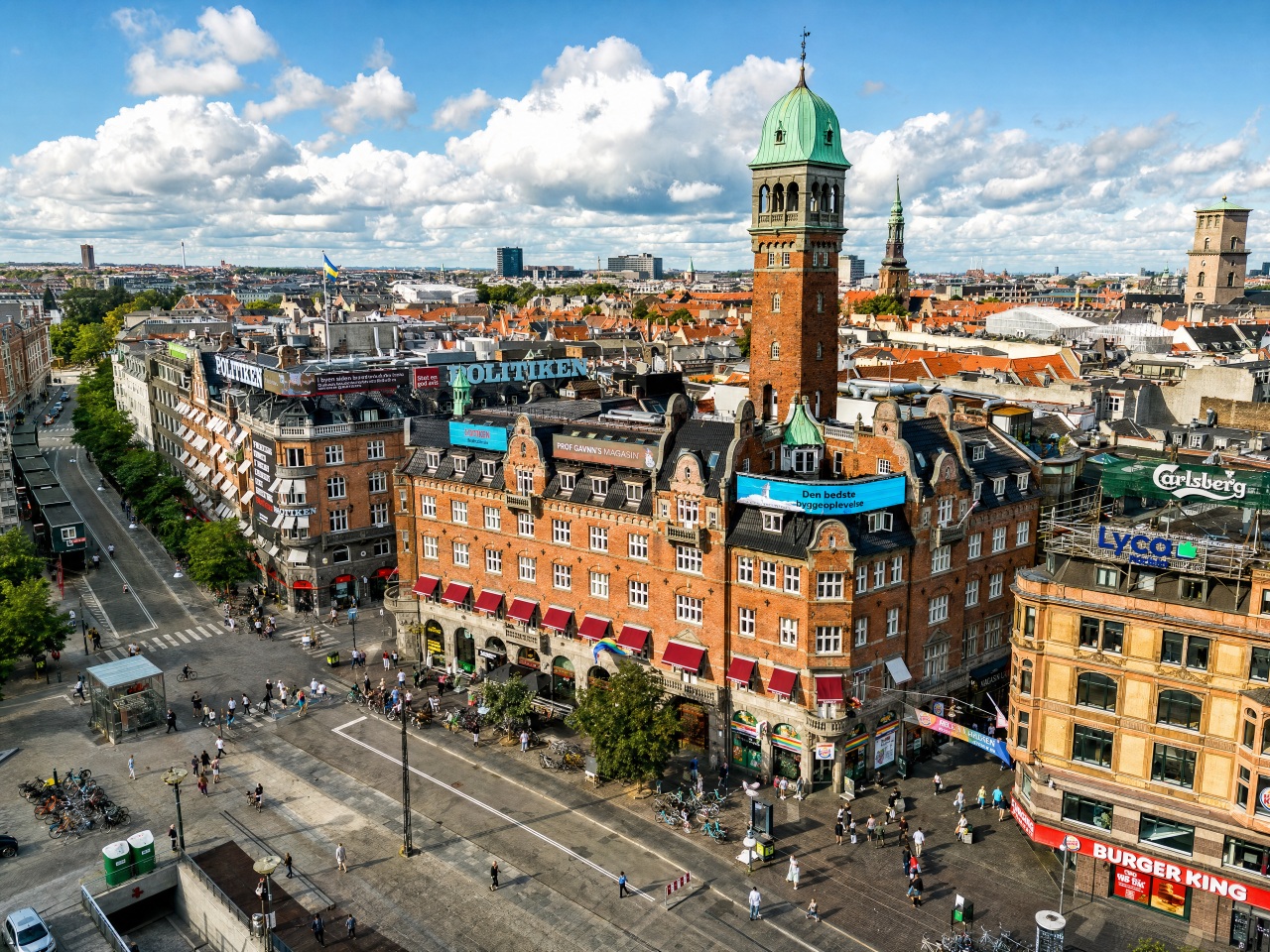
PensionDanmark invests predominantly directly in real estate in Denmark and owns the properties through its own real estate organisation. This means that PensionDanmark develops, owns, lets and operates the properties itself rather than investing through funds. The investment horizon is long – properties are acquired and developed with the intention of being held for decades.
Focus areas
Investments are concentrated in three segments:
- Housing – family homes, senior-friendly homes and student housing.
- Office – headquarters for single companies, serviced multi-tenant buildings and life science properties.
- Hotel – centrally located hotels with established operators on long leases.
In addition, we develop urban districts and take part in public-private partnerships, which are described under [About PensionDanmark Real Estate].
Risk profiles
Real estate investments are classified according to how much of the return is to be generated through development. The portfolio spans three risk profiles:
- Core and Core+ – completed, let properties with stable operations and limited development potential. The return comes primarily from rental income. Lowest risk.
- Value-add – properties and projects with a need for development or improvement, where the return is generated by developing, converting or re-letting. Higher risk than core.
- Opportunistic – transformation of existing buildings or the servicing of land for development, where the return depends on development and planning. Highest risk, including development and planning risk.
The distribution between the profiles varies over time and is disclosed in the annual report. Risk is further managed by diversifying the portfolio across segments and geography and by letting on long leases where possible. Projects are carried out both independently and in partnership with public and private actors.
Urban districts
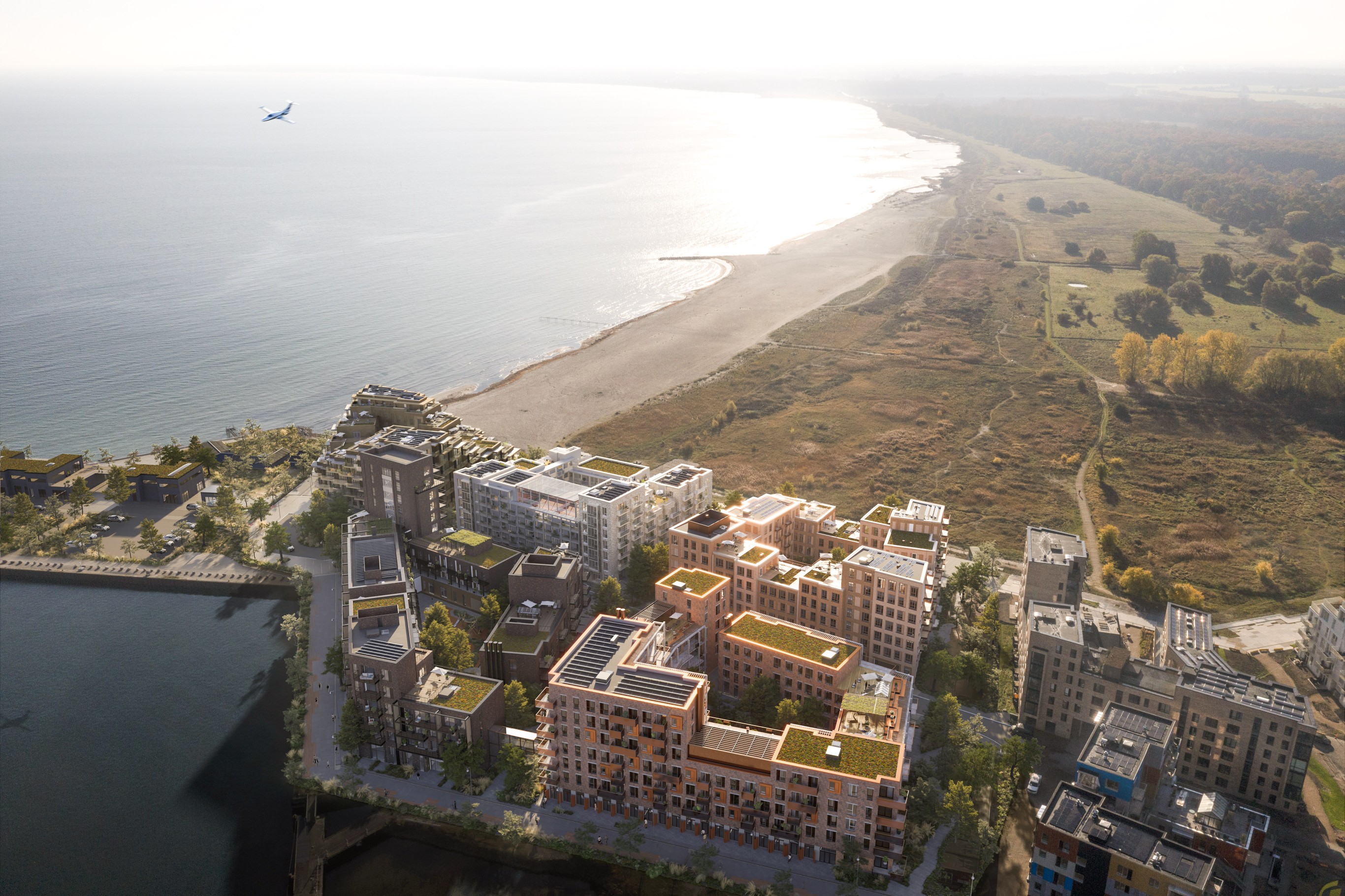
We are keen to work with municipalities and land development companies on the development of new urban districts where housing drives the development. Through the development of our urban districts, we aim to create a diverse, mixed city with a focus on community, and to minimise the district's environmental footprint through, among other things, the use of responsibly produced and durable materials assessed from a life-cycle perspective. Emphasis is also placed on integrating the district with the surrounding areas. PensionDanmark develops urban districts in Aarhus, Copenhagen, Albertslund, Rødovre, Allerød and Køge.
PPP
PensionDanmark helps to advance public-private partnerships (PPP) in Denmark, as they support our objectives in several areas. Through our consortium on PPP projects covering financing and operation, we want to help meet the construction-related needs of the state, regions and municipalities in an efficient way that can enhance welfare in Denmark in a constructive and responsible manner.