


We develop to meet a need
We build where there is a long-term need, and we decide who the property is for before we design it. For housing, this means developing for specific stages of life – families, students, people over 50 and people in need of care – and designing unit sizes, shared areas and outdoor spaces accordingly. Where relevant, we involve those who know the target group best, for example educational institutions for student housing, and municipalities and operators for care homes.
Actively involved throughout the process
We take part in the development of our projects ourselves. We assess location, housing types and the layout of buildings and outdoor areas, and we follow construction closely. Once the property is completed, it is taken over by our own operations team or by an operating partner whose work we monitor.
Certification of new buildings
We have our new buildings certified under DGNB. DGNB is a voluntary certification scheme for buildings and urban districts, administered in Denmark by [the Danish Council for Sustainable Construction / Rådet for Bæredygtigt Byggeri]. Certification means that an independent auditor assesses the building against the scheme's published criteria and assigns it to one of the scheme's levels.
The certification documents how the individual building has been assessed against the criteria covered by the scheme. It is not a general assessment of the building's overall environmental impact. Which of our properties are certified, and at what level, is shown in the property overview. The criteria are available from the scheme.
Some of our properties are certified under other schemes, such as LEED or BREEAM. The scheme and level applying to each property are shown in the property overview.
Read about DGNB at the Danish Council for Sustainable Construction
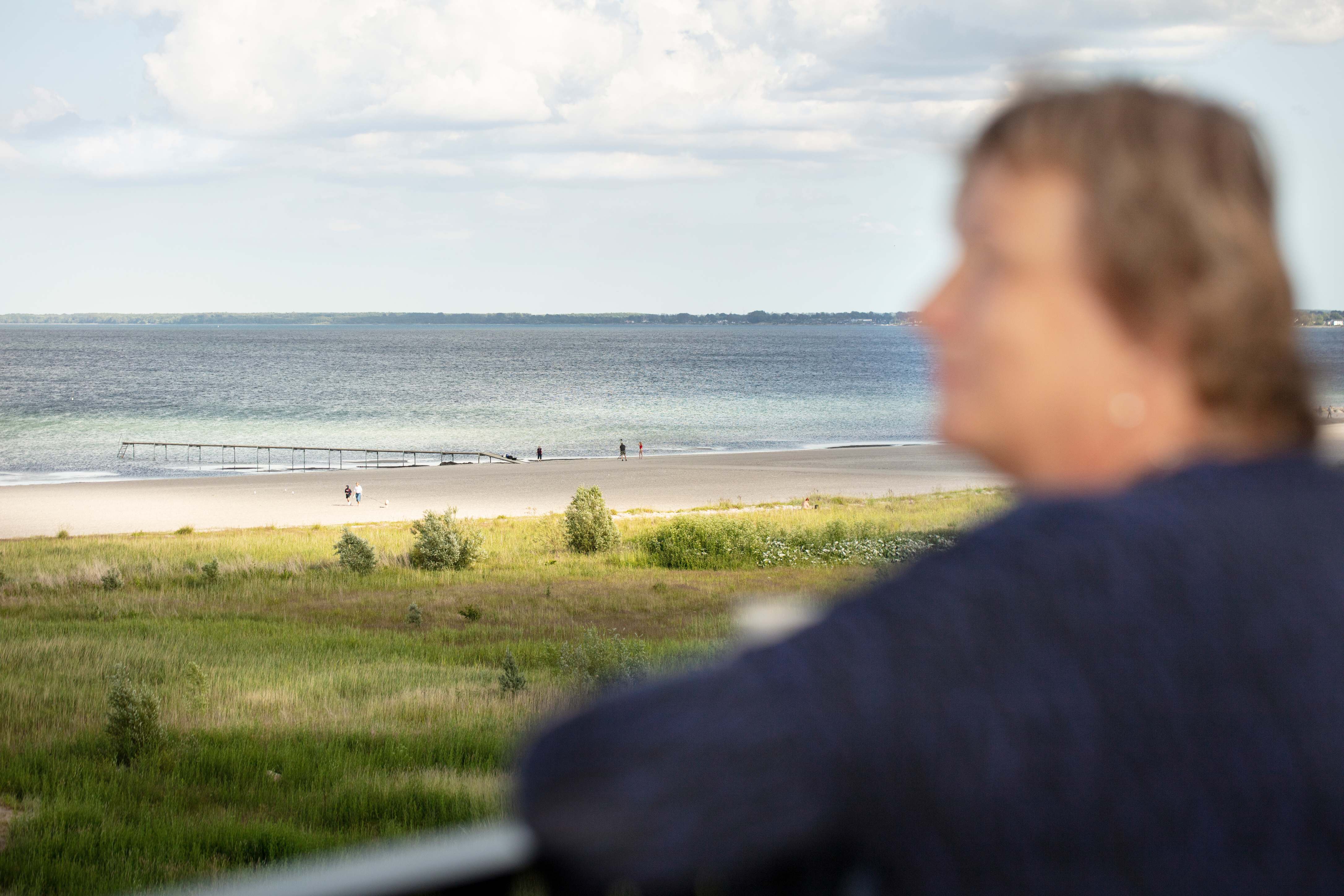
Biodiversity in our urban districts and properties
We have a biodiversity strategy that describes how we work with nature and planting in our urban districts and properties. The strategy is called "Investments for Life".
The strategy is built around a pledge and a set of principles with associated actions. The principles follow a project all the way through – from the choice of site through development and construction to operation and evaluation – and apply to urban districts, new buildings and existing properties. The strategy is embedded in the programmes we use when developing housing and commercial properties, so it forms part of our day-to-day work and not only of the planning stage.
The strategy describes what we do and how we do it. We report on progress in our annual report.
Read the biodiversity strategy
Human rights due diligence
Building and operating properties involves many people – from those who produce the materials to those who build, clean and maintain. We have a written guideline for how we identify, prevent and address the risk of our property investments contributing to adverse human rights impacts.
The guideline is based on the UN Guiding Principles on Business and Human Rights and describes how due diligence forms part of our work – when we assess an investment, when we select contractors and suppliers, and when the property is in operation. It also describes how reports of possible violations are handled.
The guideline describes our approach. We report on how the work is progressing in our annual report.
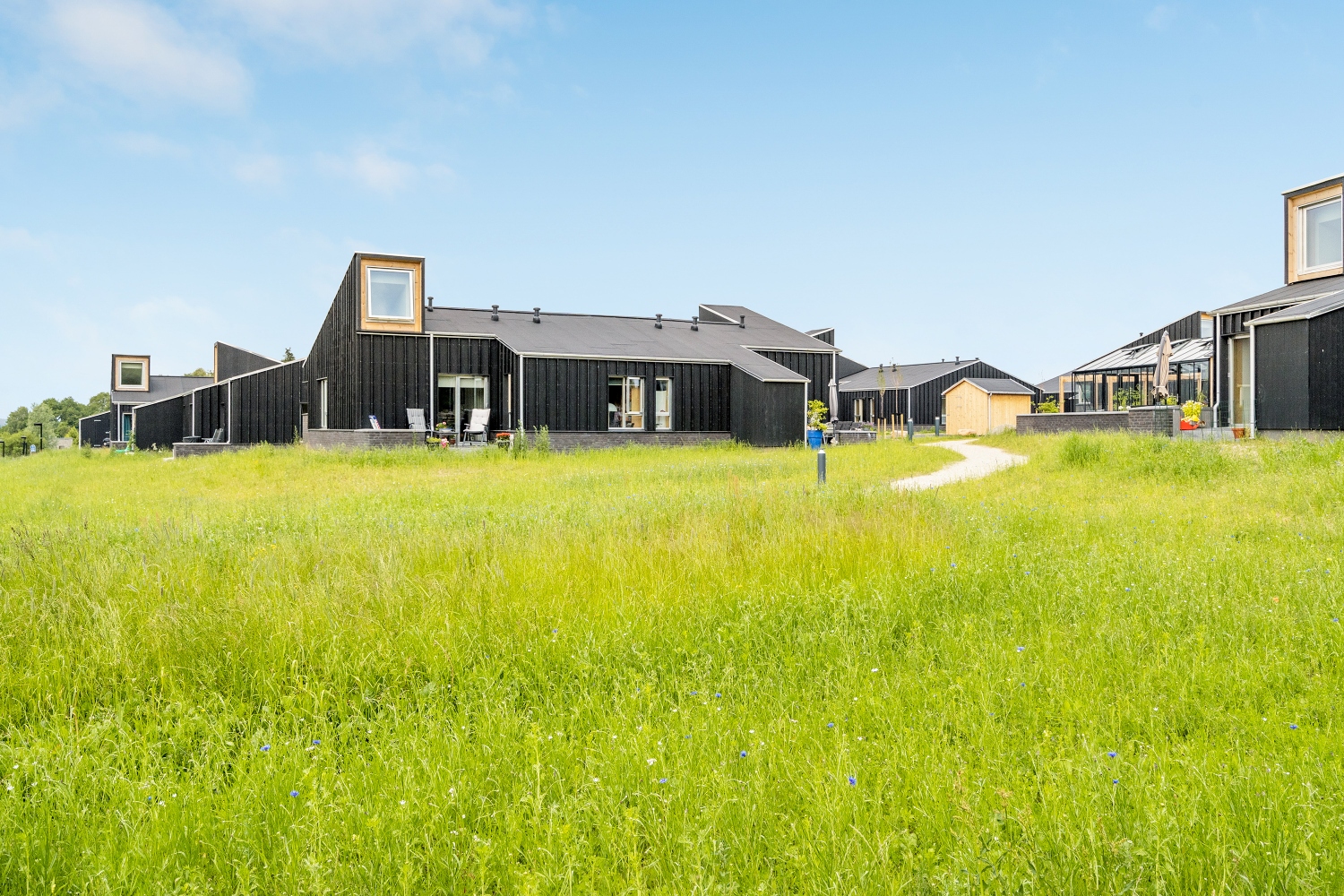
Guidelines for letting and sales
We have written guidelines for how we let and sell homes, including the priority access granted to members. The guidelines describe what we do – not what we have achieved.
- The guidelines for letting and sale of homes describe how we let and sell homes, including members' priority access. Read the guidelines
See the list of certified properties below.